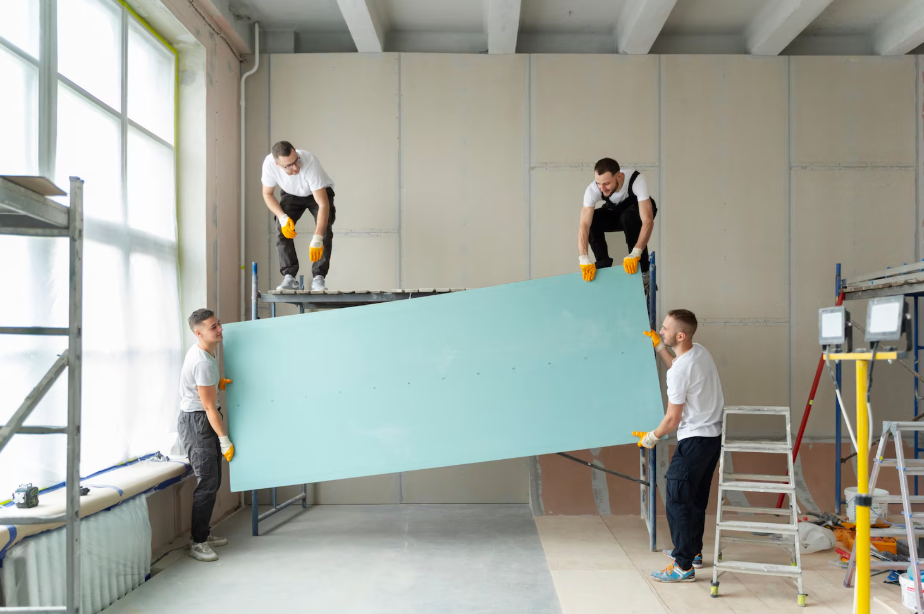
Wall paneling has changed from being a traditional design feature to a practical and stylish option in modern architecture. For both residential and business spaces, paneling offers both aesthetic appeal and useful benefits. Knowing when and why to utilize wall paneling allows architects, designers, and homeowners to make well-informed selections that enhance interiors without extra expenditure or complexity.
Adding Architectural Interest Without Major Renovation
The capacity of wall paneling to add architectural interest without requiring significant alteration is one of the primary reasons it is used in contemporary building. Large, flat surfaces can be broken up with vertical or horizontal panels to add depth and visual rhythm. Paneling can discreetly delineate sections in open-plan homes or offices, giving each area a distinct personality without sacrificing movement.
Balancing Minimalism with Warmth
Many modern construction projects have minimalist interior design. Large, plain walls might seem chilly or impersonal, even when minimalism is artistically pleasing. By adding warmth and texture, wall paneling lessens the starkness of contemporary materials like steel, glass, and concrete. This harmony maintains a tidy, uncluttered appearance while making spaces feel welcoming.
Durability and Long-Term Performance
Durable and low-maintenance materials are frequently given priority in modern buildings. Composite finishes, engineered panels, and wood paneling are made to endure regular use, minimize damage, and hold up over time. Paneling that is resistant to dents, scratches, and fading is a wise investment for high-traffic areas like conference rooms, corridors, and entryways.
Enhancing Spatial Perception
People's perceptions of a room's size and proportions can be influenced by wall paneling. A sense of openness can be created by using vertical panels to make ceilings appear higher. Narrow spaces can be visually expanded using horizontal or wide plank paneling. Shadows from fluted or grooved surfaces provide perspective and depth, which is especially helpful in contemporary buildings with flat, linear layouts.
Acoustics and Comfort Considerations
Paneling's practical contribution to acoustics is another justification for using it. Office spaces, conference rooms, and domestic living areas can all be made quieter by using wood or manufactured panels. Paneling also provides a tactile and thermal layer, which enhances comfort and creates a cozier atmosphere in both residential and commercial settings.
When to Choose Paneling in Construction Projects
Paneling is especially appropriate in situations where:
- Big, uninteresting walls require visual appeal.
- Subtle zoning is necessary for open-plan design.
- Low maintenance and durability are top concerns.
- Thermal comfort and acoustic control are sought.
- For warmth, designers wish to use natural materials.
These scenarios show how paneling is a flexible solution in contemporary construction because it strikes a balance between style, functionality, and long-term performance.
Flexibility Across Styles and Materials
Solid wood, engineered wood, and premium composites are just a few of the materials available for contemporary wall paneling. Paneling can be used in both traditional and modern design schemes thanks to the variety of finishes available, which include natural tones as well as painted and stained possibilities. Because of its adaptability, it can be used in business settings, corporate offices, and upscale residential buildings.
Conclusion
Because wall paneling combines practical advantages with aesthetic enhancement, it makes sense in contemporary building. Paneling meets a variety of practical and design requirements, from enhancing acoustics and spatial perception to providing warmth and durability. Architects and homeowners may create visually appealing, pleasant, and long-lasting interiors by selecting the appropriate design, material, and placement, proving that paneling is still a viable option in modern projects.