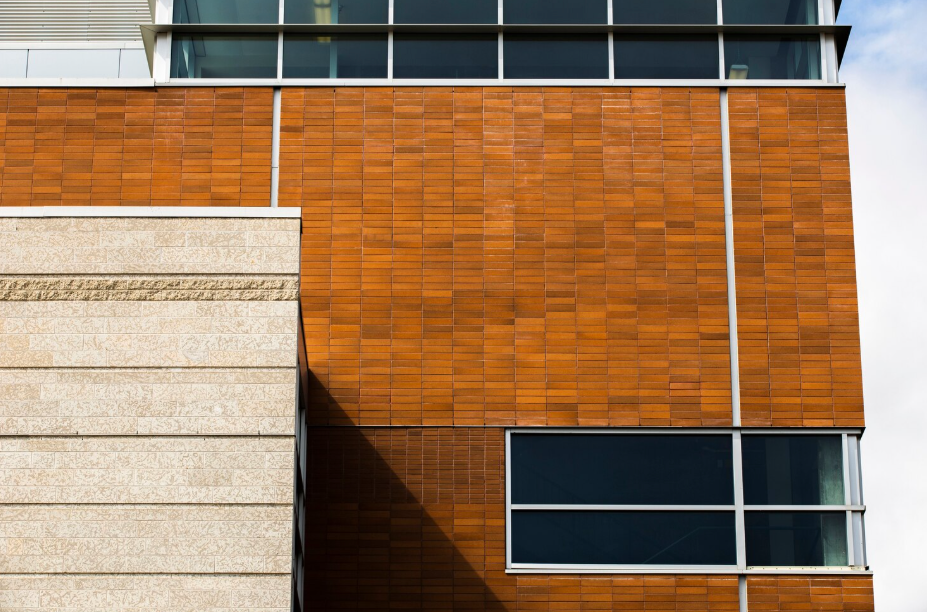
Wood paneling's adaptability, coziness, and capacity to accentuate architectural character have led to a significant resurgence in home interior design. Wood panels are becoming more and more popular among homeowners as a way to make walls both aesthetically pleasing and useful. A home's entire appearance, ambiance, and feel can be significantly impacted by the choice of paneling.
Shiplap Panels for a Casual Yet Polished Look
Horizontal planks with small grooves between each board define shiplap paneling, creating a clean and structured surface. Commonly used as wall paneling for interior walls, this style brings a relaxed yet refined character to living rooms, bedrooms, and kitchens. Its simple linear design creates a sense of continuity that complements both modern and rustic interiors.
Shiplap is especially effective in open-plan homes, where horizontal lines visually extend spaces and improve overall flow, making wall paneling for interior walls both a decorative and spatial design solution.
Beadboard Panels for Classic Charm
The narrow vertical planks that make up the beadboard are divided by spherical beads. It adds a classic look to contemporary interiors and is typically utilized in cottage and colonial-style homes. Beadboard adds texture and a subtle pattern without overpowering the space, making it ideal for dining rooms, corridors, and restrooms. Additionally, by making ceilings appear taller, its bright, vertical lines improve the sensation of spaciousness.
Flat or Smooth Panels for Minimalist Interiors
Simple and elegant, flat paneling frequently has smooth surfaces with little decoration. This kind of wood paneling offers a polished, unobtrusive backdrop, making it perfect for modern and minimalist houses. For a more modern look, flat panels can be coated or stained in natural wood tones. They are frequently utilized in spaces where furniture and décor are prominent, such as living rooms, workplaces, or bedrooms.
Raised Paneling for Traditional Elegance
Raised wood panels are frequently connected to classic and formal interior design. Molding surrounds each panel, giving it a framed, three-dimensional appearance. In order to express refinement and architectural detail, raised paneling is commonly utilized in dining rooms, libraries, and entryways. It enriches traditional home styles by adding richness and depth when combined with warm finishes.
Fluted and Grooved Panels for Subtle Texture
Walls are given texture and shadow by the tiny vertical or horizontal ridges seen in fluted and grooved panels. Because it gives architectural interest without the bulk of elaborate detailing, this kind of paneling is popular in modern residential construction. When slight depth is sought, it works nicely on feature walls, hallways, and living areas.
Wainscoting Panels for Functional Style
Paneling that is applied to the lower part of walls and frequently has a chair rail on top is known as wainscoting. For high-traffic spaces like dining rooms, family rooms, and corridors, it provides both practical protection and aesthetic appeal. For a layered design that strikes a mix between style and utility, wainscoting can be used with paint, wallpaper, or exposed wood above.
Benefits of Choosing the Right Paneling Type
Walls can be made more aesthetically pleasing and functional by choosing the right wood paneling style. Among the benefits are:
- gives simple walls more architectural character and texture.
- enhances room proportions and spatial perception
- shields walls from normal wear and tear.
- complements a range of interior design motifs, including modern and classic
Conclusion
Every type of wood paneling that is frequently utilized in residential buildings has a distinct function, from the sophisticated elegance of raised panels to the informal charm of shiplap. Homeowners can design aesthetically pleasing, practical, and timeless interiors by selecting the appropriate style. In addition to improving wall finishes, wood paneling helps create a unified, welcoming, and long-lasting house design.